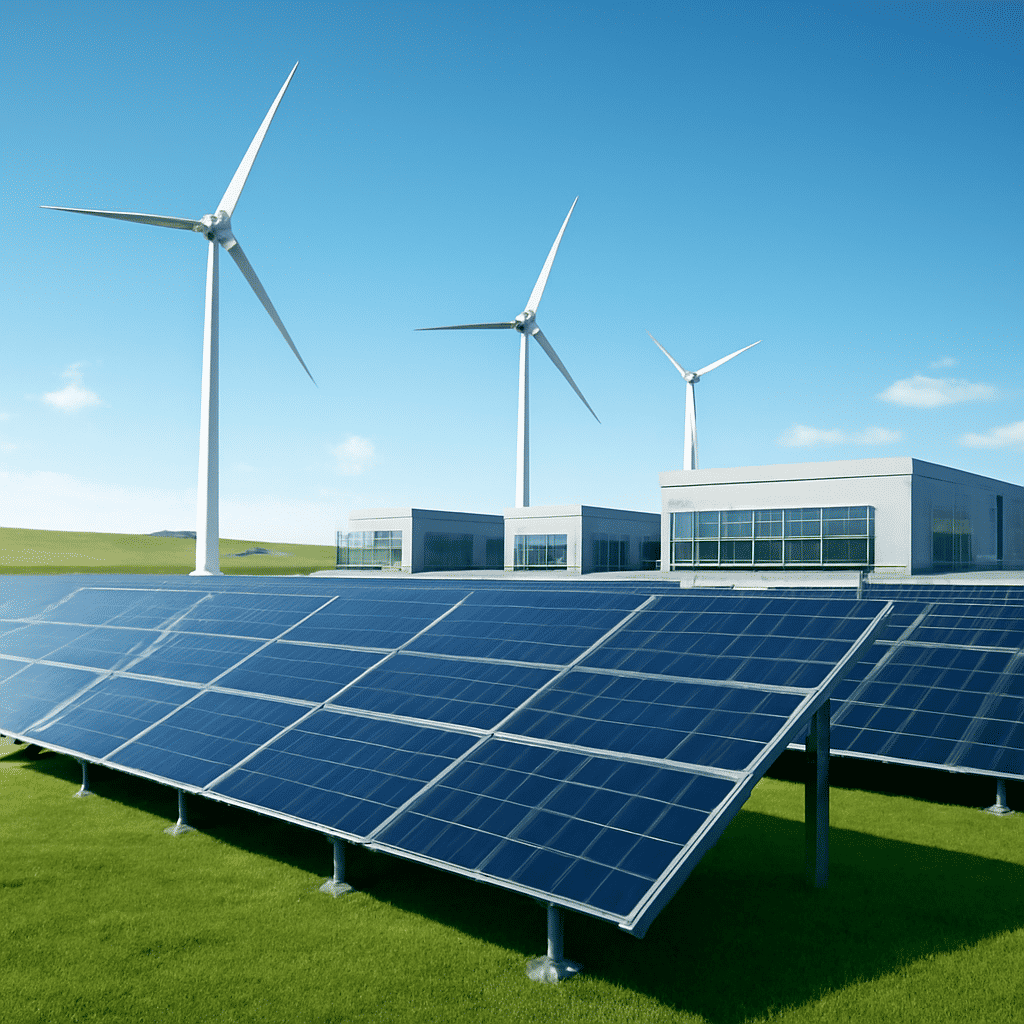
In recent years, the quest for sustainable and efficient energy solutions has taken center stage, driven by the imperative to mitigate climate change and reduce dependency on fossil fuels. As renewable energy sources like solar and wind power become more integral to global energy systems, the focus on energy storage solutions has intensified. The variability of these renewable sources necessitates advanced storage technologies that not only capture energy efficiently but also release it reliably when needed. Cutting-edge research in this domain is opening new horizons, promising to revolutionize how we store and use energy in the future.
Advancements in battery technology are at the forefront of this research. Lithium-ion batteries, which have long been the standard for energy storage, are being optimized for better performance, longer life, and enhanced safety. Innovations in this area include the development of solid-state batteries, which replace the liquid or gel electrolyte with a solid, mitigating the risk of leaks and improving energy density. Solid-state batteries promise a future with faster charging times and longer-lasting storage capability, marking a significant leap forward in both consumer electronics and electric vehicles.
Beyond lithium-ion, researchers are exploring alternative chemistries such as sodium-ion and zinc-air batteries. Sodium, being more abundant and less expensive than lithium, offers a cost-effective alternative with the potential to scale globally. Zinc-air batteries, utilizing atmospheric oxygen, present a non-toxic and environmentally friendly option, particularly appealing for grid storage applications due to their high energy density.
Flow batteries represent another breakthrough in large-scale energy storage. Unlike conventional batteries, flow batteries store energy in liquid electrolytes contained in external tanks. This design offers the advantage of easily scaling storage capacity by simply increasing the size of the tanks, making flow batteries particularly suitable for renewable energy integration on a grid scale.
Moreover, advancements in supercapacitor technology are paving the way for rapid energy discharge applications. Known for their ability to charge and discharge rapidly, supercapacitors are ideal for applications requiring quick bursts of energy, such as stabilizing power grids or enhancing the efficiency of regenerative braking systems in electric vehicles.
In addition to these technological advancements, innovative approaches to energy storage are emerging. Hydrogen storage, for instance, involves converting excess electricity generated from renewable sources into hydrogen through electrolysis. This hydrogen can then be used as a clean fuel or converted back into electricity when demand increases. While the infrastructure for hydrogen storage is still developing, it holds enormous potential as a flexible storage medium that bridges multiple sectors.
Thermal energy storage is another promising field, capturing and storing energy in the form of heat to be converted back into electricity when needed. Systems using molten salt or phase-change materials are already being implemented in concentrated solar power plants, where they extend the availability of solar power into nighttime hours.
As the annual energy consumption continues to rise, the importance of integrating these diverse storage solutions into the energy ecosystem cannot be overstated. The future of renewable energy hinges not only on harnessing sustainable power sources but also on storing and deploying that energy efficiently across all sectors. The culmination of ongoing research in energy storage technologies promises a paradigm shift toward a more sustainable and resilient global energy system.
The road to fully realizing these technologies is filled with challenges, from materials science breakthroughs to infrastructure development and regulatory frameworks. Nevertheless, the continued investment in research and innovation ensures that the horizon of renewable energy storage is bright, empowering a cleaner, greener future for the world.